
A career built around people,
technology and purpose.
BEYOND THE TITLE
Dr. Saju Skaria’s personal story:
The Village Boy Who Learned That Anything Was Possible. Long before Dr. Saju Skaria became an Air Force officer, corporate executive, entrepreneur, author, and CEO…
The enterprise experience matters but so does what it has taught him about leadership, learning and contribution.
Dr. Saju Skaria’s life story
Dr. Saju Skaria’s personal introduction
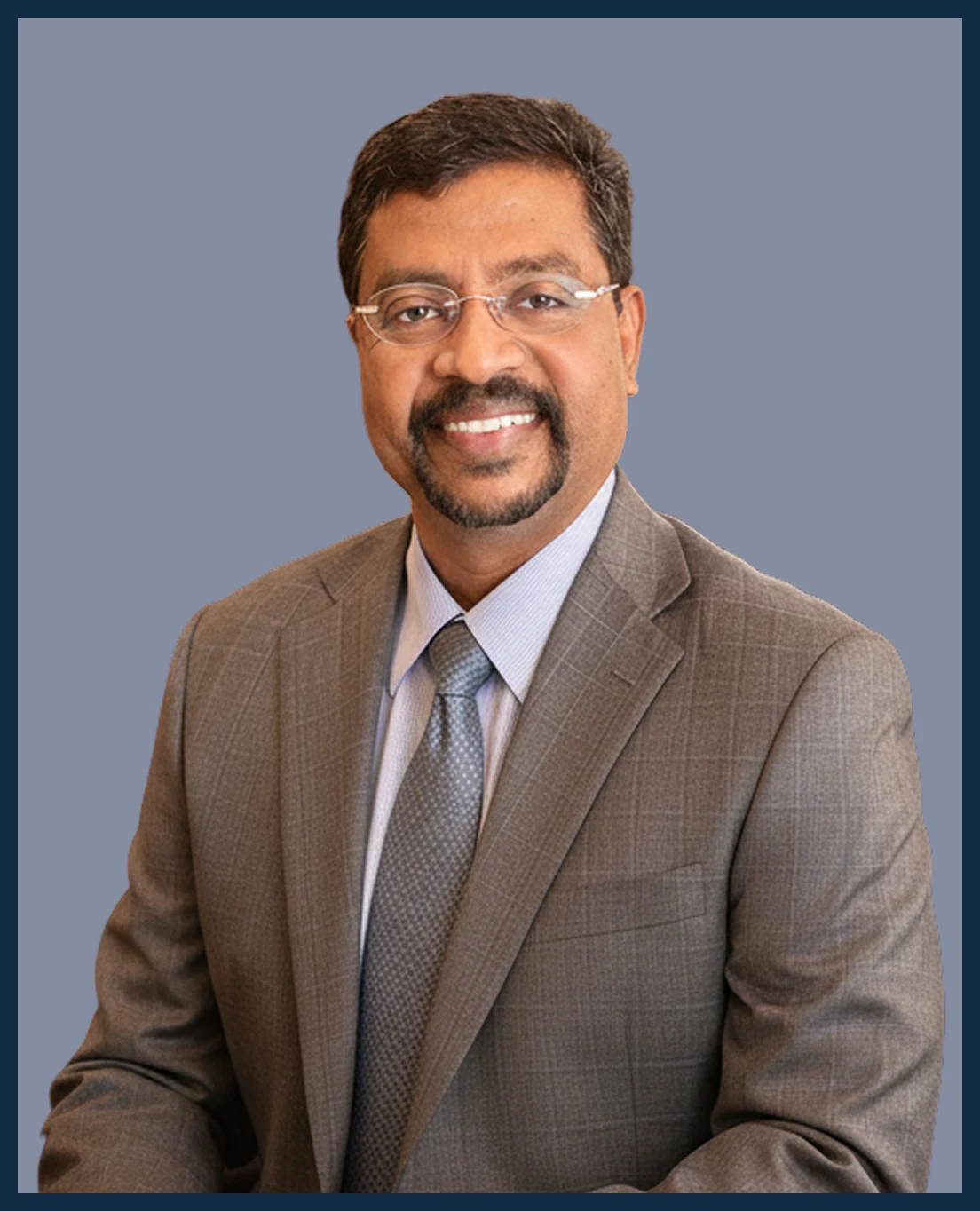
The Village Boy Who Learned That Anything Was Possible.
Long before Dr. Saju Skaria became an Air Force officer, corporate executive, entrepreneur, author, and CEO, he was a young boy growing up in a small village in Kerala.
His family had very little money. There were no powerful connections, privileged schools, or carefully planned career paths. Life was modest, resources were limited, and every opportunity had to be earned.
But the village gave him something money could not buy: discipline, resilience, and an extraordinary hunger to learn.
From the first grade through the tenth, Saju was both the class topper and the class leader. Academic excellence and leadership developed together. He was not simply interested in earning the highest marks; he naturally stepped forward, accepted responsibility, and helped others move forward with him…
Year after year, those small victories began shaping a much larger belief within him. Still, one question remained unanswered: How would a village boy educated with limited means perform when placed among students from the cities—young people who had attended better schools, enjoyed greater exposure, and possessed advantages he had never known?
The answer came when he entered university.
For the first time, he competed directly with students from urban backgrounds. They appeared more polished, spoke with greater confidence, and seemed better prepared for the larger world. On paper, they had every advantage.
Yet when the real competition began, Saju discovered something life-changing: he could not only compete with the city students—he could outperform them.
That realization transformed him.
It taught him that excellence does not belong to a geography, a social class, or a bank balance. Talent can emerge from an ordinary village. Leadership can grow in a home with limited resources. A child may begin life without privilege and still rise beyond every expectation placed upon him.
The university experience gave Saju more than an education. It gave him tremendous confidence—the conviction that circumstances may define where a person begins, but they do not have the authority to decide where that person finishes.
That belief would later carry him from his village into the Indian Air Force, across continents, into the leadership ranks of global corporations, and eventually into entrepreneurship.
The village boy never forgot where he came from. Instead, he carried the village with him—its humility, discipline, relationships, and quiet strength.
His childhood planted a truth that would guide his entire journey:
When preparation meets courage, beginnings lose their power to limit the future. Anything is possible.
Experience changes how
you see the future.
Across these experiences, one belief has grown stronger: the future requires our active participation. I want to use what I have learned to build meaningful businesses, develop leaders, and create opportunities that extend beyond my own journey.
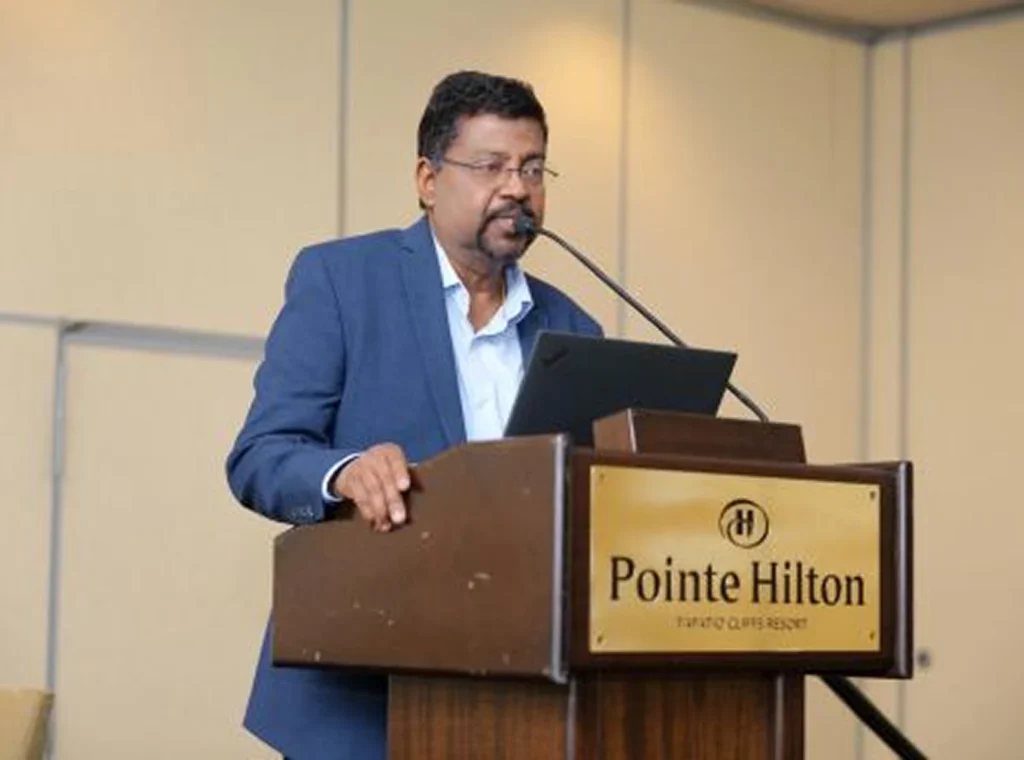
The Air Force: Learning to
Lead Through Service
Chapter 01
My years as a commissioned Air Force officer established the foundation of my leadership philosophy. Service demanded preparation, discipline, and a willingness to accept responsibility. I learned that leadership becomes real when people depend on your judgment, your consistency, and your ability to remain composed under pressure.
That experience continues to influence how I lead. Understand the mission. Make expectations clear. Respect the people doing the work. Take responsibility when things go wrong, and recognize the team when things go right. Authority carries an obligation to earn trust through conduct.
What he learned
The military also taught me that individual capability must serve a shared purpose. An organization becomes stronger when people understand how their contribution supports the whole. Today, I bring that same conviction to business: care for your people, prepare them well, and hold yourself accountable for the commitments you make.
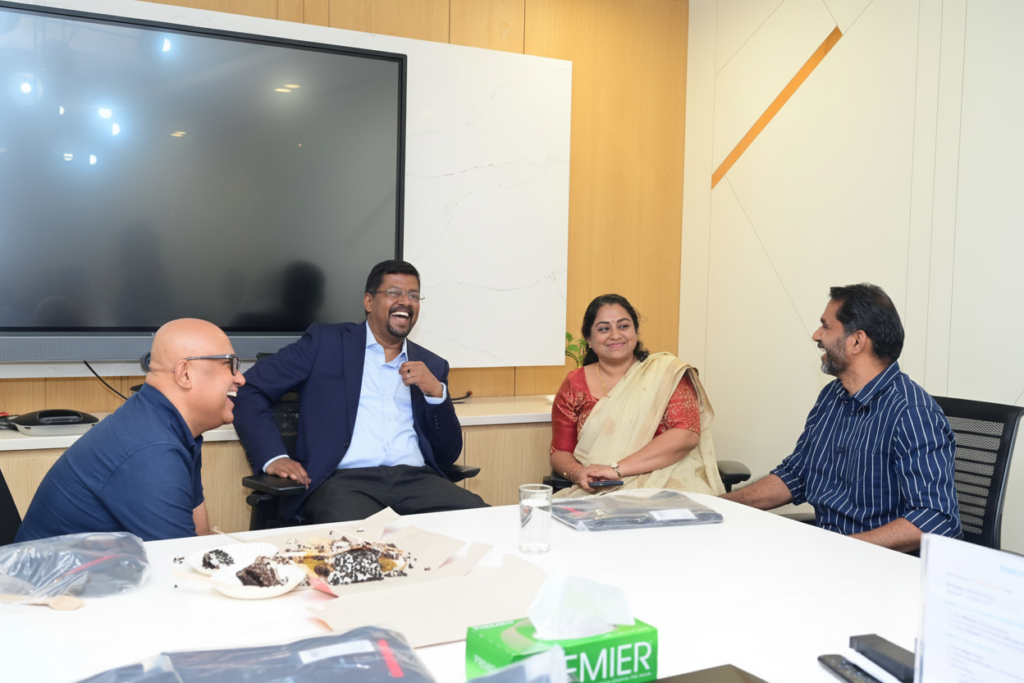
The Air Force: Learning to
Lead Through Service
Chapter 02
My journey through IBM, Infosys, Xerox, TCS, and Capgemini expanded my perspective from leading teams to understanding complex enterprises. Working across clients, industries, and business environments taught me to consider technology alongside commercial priorities, organizational readiness, and the people responsible for making change happen.
I came to appreciate how much execution depends on alignment. A compelling strategy needs leaders who can explain its purpose, teams equipped to deliver it, and clients who can see its value. Lasting relationships grow through reliable delivery, honest conversations, and the willingness to take ownership when circumstances become difficult.
What changed
These experiences shaped my approach to innovation. I begin with the business problem and the outcome we need to achieve. Technology choices follow from that understanding. This discipline remains central to how I think about enterprise AI, growth, and the responsibility of advising senior leaders.
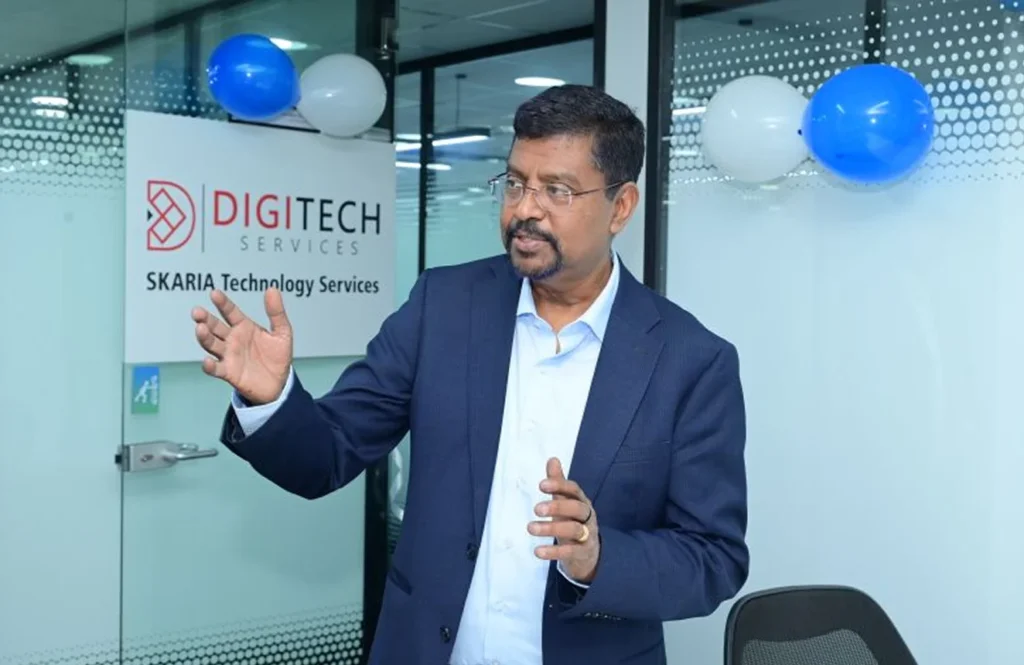
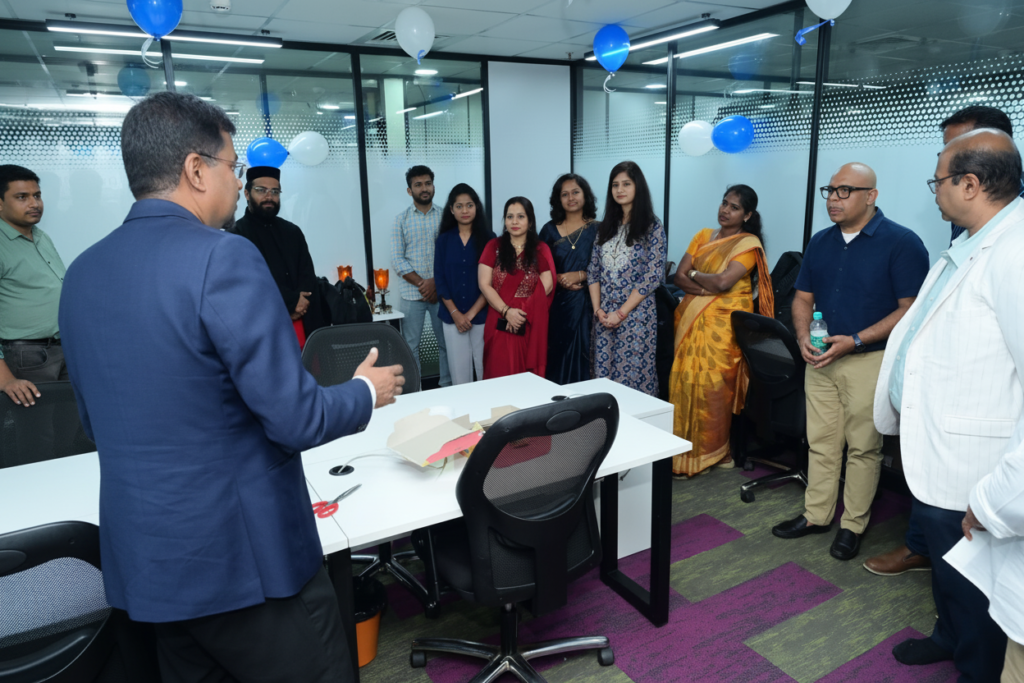
Building Digitech: Turning Conviction into an Enterprise
Chapter 03
I founded Digitech at 60, carrying decades of experience and the humility to begin again. Entrepreneurship made responsibility immediate and personal. Every hiring decision, client commitment, investment, and payment obligation became part of building an organization that people could depend on.
What building taught him
My ambition is to build a global, AI-led technology enterprise with enduring value. Its growth also serves a deeper purpose: creating livelihoods, developing future leaders, and strengthening my ability to support education for underserved children. For me, servant entrepreneurship means accepting the demands of building a business while staying clear about whom that success should ultimately benefit.
Building Digitech: Turning Conviction into an Enterprise
Today
Today, my work brings together enterprise building, artificial intelligence, advisory service, writing, and speaking. These activities share a common purpose: helping people make better decisions and turn possibility into practical progress.
At Digitech, I focus on applying AI to business problems with measurable outcomes. That requires attention to adoption, trust, accountability, and the ability to deliver consistently in real operating environments. Through my advisory involvement with Arizona State University and engagement with emerging leaders, I contribute experience while continuing to learn from new perspectives.
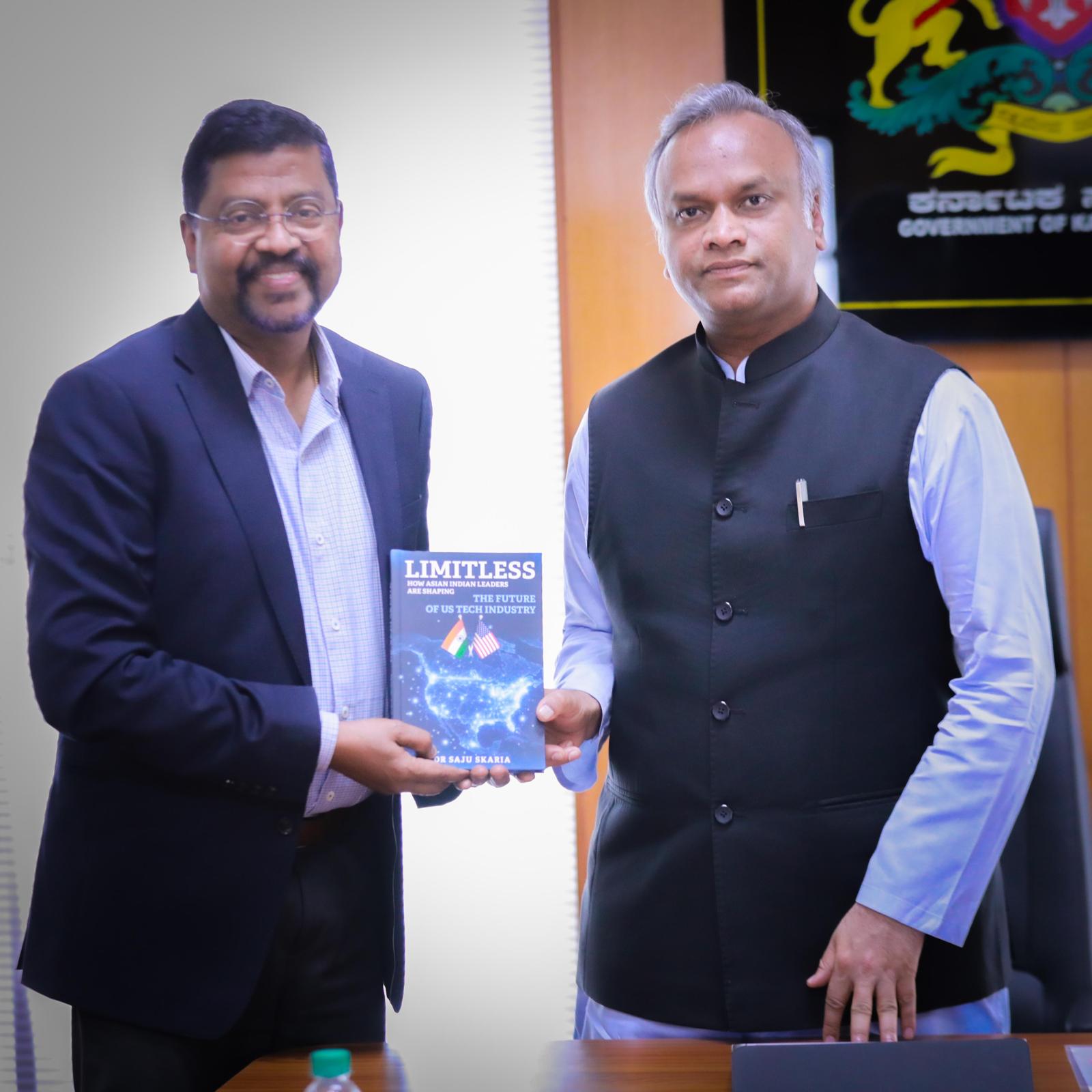
What he's exploring now
Writing and speaking give me another way to serve. They allow me to examine the lessons behind decisions, share the realities of entrepreneurship, and encourage others to act on their ambitions. I remain especially interested in how we can combine technological progress with human opportunity. The question guiding this chapter of my life is straightforward: how can the experience I have accumulated create greater value for others?
Each chapter of my life has changed how I understand leadership, responsibility, and possibility. Twelve years as a commissioned Air Force officer taught me discipline and service. Leadership roles in global technology companies broadened my understanding of business transformation. Becoming an entrepreneur at 60 challenged me to put those lessons to work with my own resources, decisions, and convictions at stake.
How he leads
Technology changes. Good leadership still starts with people.
01
Listen before you scale
Understand the people closest to the problem.
02
Make complex things clear
Clarity creates better decisions before the conception of any project.
03
Build for the long term
Don’t optimize today’s technology at tomorrow’s expense.
04
Give people ownership
Transformation works when people participate in it.
Where his experience goes next.
From enterprise leadership to the next generation of AI.
01
Advisory
Helping leaders think through AI, transformation and strategic change.
02
Speaking
Bringing practical enterprise perspective to executive.
03
Writing
Sharing ideas about AI, leadership and building.
04
Building
Applying experience through Digitech.
THE BUILDER’S PERSPECTIVE
Building technology teaches you what strategy alone cannot.
Digitech is where enterprise experience meets the realities of
building teams, products and technology.
Why Digitech
FOUNDER’S PERSPECTIVE
Experience becomes useful when you put it to work.
VISION
Where should we go?
I believe in setting a vision bold enough to demand a different way of thinking. For Digitech, that means building a global, AI-led enterprise that creates lasting value for clients and opportunities for people. Commercial success should expand our capacity to serve.
People
Who needs to succeed?
Leadership begins with accepting responsibility for the success of others. My role is to create clarity, open doors, and empower people to take ownership. I believe empathy and accountability belong together—people deserve both the support to grow and clear expectations to deliver.
TECHNOLOGY
What should we build?
We should build technology that solves problems worth solving. My focus is on turning AI into measurable business value: recovering lost revenue, improving decisions, and helping people accomplish more. Innovation earns its place when it moves beyond a compelling demonstration and delivers results in the real world.
EXECUTION
How do we make it real?
My military and business experience has taught me that ambition requires discipline. Every priority needs an accountable owner, a clear deadline, and a measurable outcome. At Digitech, radical transparency and absolute accountability mean confronting challenges early, making decisions promptly, and following through on our commitments.
We should build technology that solves problems worth solving. My focus is on turning AI into measurable business value: recovering lost revenue, improving decisions, and helping people accomplish more. Innovation earns its place when it moves beyond a compelling demonstration and delivers results in the real world.
Lessons from building
01
Technology is only useful when people use it.
02
Enterprise complexity rewards clarity.
03
The best strategy learns from reality.
04
Good teams make technology better.
05
Building is a continuous conversation with the user.
PURPOSE BEYOND BUSINESS
Use experience to create opportunity.
I believe the greatest value of experience lies in the doors we open for others. Through The Skaria Foundation, my purpose is to help children from underserved families access education and opportunity, with a special commitment to empowering girls to shape their own futures.
Mission
Impact should be measured by what changes for people.
For me, success carries a responsibility to serve. Our mission is to help turn difficult circumstances into possibilities. The measure of our work is a child who stays in school, a young woman who gains independence, and a family that can look ahead with hope.
Education
Give potential a path forward.
Education can change the direction of an entire family. My goal is to support the education of 10,000 girls, giving more children the chance to learn, build confidence, and pursue their ambitions. Every child deserves the opportunity to discover what she can become.
Opportunity
Open doors and help people walk through them.
Talent exists in every community; access does not. I believe in using my experience, relationships, and resources to help close that gap. Financial support, encouragement, and guidance can give someone the opportunity to take a first step—and the confidence to keep going.
Long-term Change
Build a legacy that continues through others.
I want the impact of our work to endure beyond my own lifetime. That means helping young people gain the education and independence to strengthen their families and communities. The legacy I hope to leave is people who rise, find their purpose, and create opportunities for others.